Our Work
First Born Gospel Life Ministries
“Building Hope and Providing Essential Services”
At First Born Gospel Life Ministries, we are dedicated to uplifting underprivileged individuals through a range of comprehensive services designed to address their immediate needs and empower them for a better future. Our key services include:
0.1
Shelter Provision
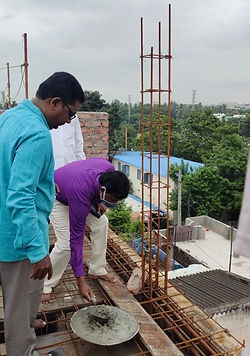
We offer safe and nurturing housing solutions for underprivileged children and neglected elderly individuals who lack a stable place to live. Our shelters provide a secure environment where residents can find comfort and support, fostering a sense of belonging and community.
0.2
Nutritional Support
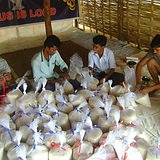
Recognizing the critical importance of proper nutrition, we ensure that underprivileged children and the elderly receive regular, balanced meals. Our nutrition programs aim to combat malnutrition and promote overall health, enabling individuals to lead active and healthy lives.
0.3
Educational Programs
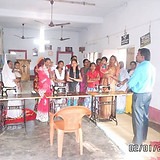
We are committed to breaking the cycle of poverty through education. Our educational initiatives provide access to quality learning opportunities for uneducated young men and women, equipping them with the knowledge and skills necessary to pursue their aspirations and contribute positively to society.
0.4
Vocational Training
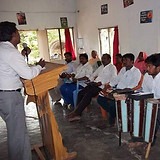
To promote economic independence, we offer vocational training programs that teach practical skills tailored to market demands. Participants receive hands-on training in various trades, enhancing their employability and enabling them to secure sustainable livelihoods.
0.5
Community Hope Centers
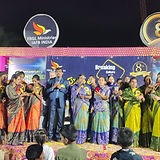
Our Hope Centers, located in tribal villages, serve as community hubs where we provide comprehensive care and support to poor and needy children and elderly individuals. These centers offer a range of services, including healthcare, counseling, and recreational activities, all aimed at improving the quality of life and fostering a sense of hope within the community.
Unique Initiatives
Innovative Initiatives: Transforming Lives and Communities
At First Born Gospel Life Ministries, we are committed to addressing the unique challenges faced by underprivileged communities. Our innovative initiatives include:

Living Water Purification Plant
Access to clean drinking water is essential for health and well-being. In many remote villages, communities suffer from waterborne diseases due to contaminated water sources. To combat this, we have established the Living Water Purification Plant, which provides purified water to these underserved areas. By ensuring access to safe drinking water, we significantly reduce the incidence of water-related illnesses and improve the overall quality of life for residents.

Bore Wells Installation
In tribal villages, the scarcity of water poses a significant challenge to daily living and agriculture. To address this, we undertake the installation of bore wells, tapping into underground water sources to provide a reliable supply of clean water. These bore wells not only meet the immediate hydration needs of the community but also support farming activities, thereby enhancing food security and economic stability.

Sewing School
Economic empowerment is a cornerstone of sustainable development. Our Sewing School offers training programs where participants, particularly uneducated young men and women, learn tailoring and garment-making skills. Upon completion of the training, we provide them with sewing machines, enabling them to start their own businesses or seek employment in the textile industry. This initiative fosters self-reliance, boosts household incomes, and contributes to the economic upliftment of the community.
First Born Gospel Life Ministries
Our Heartfelt Gratitude
At First Born Gospel Life Ministries, we extend our deepest appreciation to all who support our mission. Your unwavering commitment enables us to uplift underprivileged children, neglected elderly individuals, and uneducated youth in our community.
“Your generosity and dedication are the foundation of our success. Together, we are transforming lives and building a stronger community.”